Why I Stopped Building Sites with Elementor (And What I Use Instead)
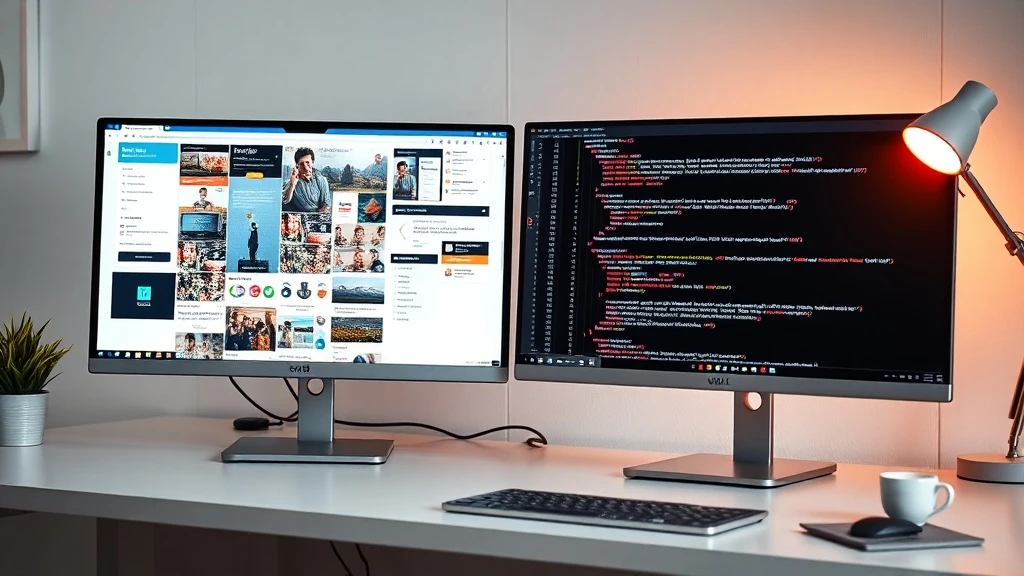
I used Elementor for years. It’s genuinely a good product for getting sites up fast — drag and drop, live preview, hundreds of widgets. For a freelancer trying to deliver quickly, it made sense.
Then I started paying close attention to performance data. And I couldn’t unsee what I was seeing.
What page builders actually do to your site
Every WordPress page builder — Elementor, Divi, WPBakery, Beaver Builder — works by layering its own rendering engine on top of WordPress. That means every page loads the builder’s JavaScript, CSS, and widget library, even pages that have nothing complex on them.
Elementor alone adds hundreds of kilobytes of JavaScript and CSS to every page load. On a well-optimised custom build, the total CSS might be 20–30KB. With a page builder, you’re often looking at 300–500KB before you’ve added a single line of content. Kinsta’s Elementor performance analysis documents this in detail. The builder has improved over time, but the fundamental problem — a layer of abstraction between your design and the browser — doesn’t disappear.
What this means for your business
Slower pages mean worse Core Web Vitals scores, and Core Web Vitals are a direct Google ranking factor since 2021. A page builder site competing against a lean custom-built site in search results is often fighting uphill before a single word of copy is considered.
It also hits conversion rates. Deloitte’s “Milliseconds Make Millions” study — one of the most thorough analyses of speed and business outcomes — found that a 0.1-second improvement in load time increases conversions by 8.4% for retail sites. Page builders commonly add multiple seconds to load time on shared hosting, which is where most small business sites live.
The counterargument: page builders are fast enough, and they save time
This is a legitimate point and I want to be honest about it. Not every site needs to score 100 on PageSpeed Insights. If your competitors all have slow, heavy sites, yours being slightly slower isn’t necessarily costing you search positions. And a builder site that launches in two weeks beats a custom site that takes three months every time.
For simple brochure sites with low competitive pressure, a well-configured Elementor setup with decent hosting and a caching plugin is genuinely good enough. Page builders have their place — I’m not here to pretend otherwise.
But there’s a category of site — competitive service businesses, lead-gen pages, anything where load time and conversion rate have a direct line to revenue — where the builder overhead is a real, measurable handicap. If your site is in that category, the tradeoff is worth understanding.
What “vanilla WordPress” actually means
When I say vanilla WordPress, I mean a custom theme built directly in PHP and CSS — no builder, no drag-and-drop layer, no third-party rendering engine. The site you’re reading right now is built this way: hand-coded PHP templates, Tailwind CSS for styling, and Alpine.js for interactions. Total JavaScript footprint: under 50KB. No page builder licenses. No builder-specific update conflicts. No lock-in to a company’s product roadmap.
The tradeoffs are real and worth naming:
- Harder to edit without a developer — no drag-and-drop, so layout changes need code
- Longer to build — no widget library to pull from, everything is written from scratch
- Higher upfront cost — custom work takes time and time costs money
But long-term maintenance tends to be cheaper (no plugin licenses, fewer conflicts), performance is significantly better, and you own the code outright with no dependency on a third-party product staying alive.
Which approach is right for you?
- Use a page builder if: you need to launch quickly, you want to manage layout yourself, your site is relatively simple, or you’re on a tight upfront budget
- Go custom if: speed and Core Web Vitals matter to your business, you’re in a competitive niche, you want a site that scales cleanly over years, or you’re already paying a developer to maintain things anyway
Not sure where you land? Run your current site through our free analyzer — it’ll tell you exactly how your setup is performing and where the biggest wins are. Or if you’re ready to talk about what a custom build would look like for your business, get in touch.