How I Use AI to Build Better WordPress Sites (Without Cutting Corners)
I Started by Copy-Pasting Code Into ChatGPT
My AI journey didn’t start with some grand strategy. It started the way it did for most developers — copying a function into ChatGPT and asking “why doesn’t this work?”
That was late 2022. The answers were rough but often useful. I’d paste in a PHP snippet, get a suggestion back, test it, fix what was wrong, and move on. It felt like having a slightly unreliable but very fast colleague.
Then I figured out something that changed everything: I could compress an entire codebase — file structure, key files, configuration — and paste it into a single conversation. Suddenly the AI had context. It wasn’t guessing anymore. It understood how the pieces fit together, and its suggestions went from “sometimes helpful” to “genuinely good starting points.”
That was the moment I realized AI wasn’t a gimmick. It was a tool that rewarded you for learning how to use it properly.
Then the Tools Got Serious
Copy-pasting into a browser tab worked, but it was clunky. Then in early 2024, Cursor came along — an AI-native code editor that put the AI inside my development environment. No more switching between tabs. I could highlight a block of code, ask a question, and get an answer in context. It was like the difference between texting your mechanic a photo of your engine versus having them standing next to you looking under the hood.
By late 2025, Claude Code changed the game again. Full codebase awareness. Multi-file changes. Architectural understanding. I could say “refactor how this theme handles pricing across all three service pages” and it would read every relevant file, understand the relationships, and propose changes that actually made sense.
The shift wasn’t just about speed. It was about what kind of work I could take on. AI went from “helps me write code faster” to “helps me think about problems I wouldn’t have tackled alone.”
AI Made Me a Better Developer — Not a Lazier One
Here’s something nobody talks about: AI forced me to write better code.
Not because it required it — but because I noticed that clean, well-structured code got dramatically better AI responses. Clear variable names, consistent patterns, good separation of concerns. The messier my code was, the worse the AI’s suggestions became. So I started writing cleaner code by default — not for the AI’s sake, but because the AI was a mirror showing me where my code was confusing.
The other thing that changed was my range. Before AI, I was a WordPress developer who knew PHP, JavaScript, and CSS well, and had passing knowledge of everything else. After AI, I became something closer to a polymath. I could go deep on SEO strategy, then switch to server performance tuning, then research the best email marketing approach for a specific niche — and get genuinely good answers to evaluate.
I’m not an SEO expert. I’m not a marketing strategist. But I have a senior-level thinking partner available 24/7 who knows those fields deeply, and I’ve learned how to ask the right questions and evaluate the answers critically. That makes me dramatically more useful to my clients than I was two years ago.
Then I Noticed Something Scary Happening to My Clients’ Traffic
Around June 2025, I started seeing a pattern. Content-first websites — the kind with solid blogs, good keyword targeting, well-written articles — were losing traffic. Not because the content got worse. Because Google’s AI Overviews were answering the questions before anyone clicked through to the site.
A client’s article on “how to speed up a WordPress site” was still ranking on page one. But the click-through rate dropped by 40% because Google was summarizing the answer right there in the search results. The article was still good. It just didn’t matter anymore.
That was a wake-up call. I started telling my clients something uncomfortable: we need to rethink what your website is for.
The old playbook — write articles, target keywords, drive traffic — still works, but it’s not enough anymore. Your site needs to be more personal, more story-oriented, and most importantly, it needs to do things that an AI chatbot literally cannot do.
Why I Now Build Free Tools Instead of Just Writing Articles
Here’s my thesis, and I’m betting my business on it:
A useful, shareable tool beats a blog post in the AI era.
A chatbot can summarize an article. It cannot generate a printable emergency contact card with your kid’s name and doctor’s phone number pre-filled. It cannot run a coffee quiz that matches your taste preferences to a specific bean from a specific roastery. It cannot show you what movies are playing near you tonight with real-time showtime data.
These are tools I’ve actually built for my clients. Here are some examples:
Hello Playdate — Free Tools for Parents
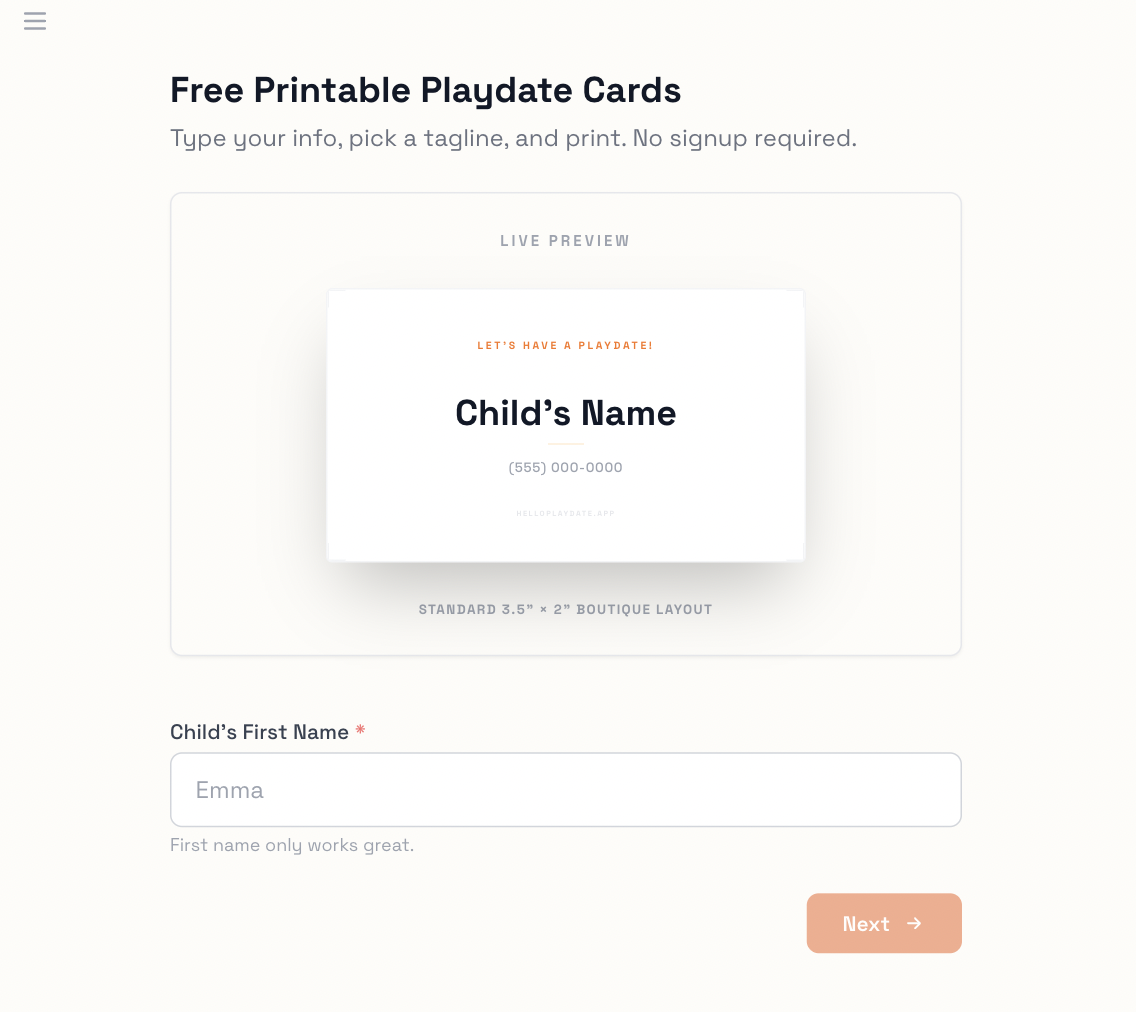
In January 2026, I built a suite of free widgets for Hello Playdate — tools for parents: printable emergency contact cards, playdate invitation cards, and a birthday party planner. These are genuinely useful, beautifully designed, and completely free. Parents share them in Facebook groups and parenting communities. Every share is a backlink. Every visit builds trust.
1981 Espresso Bar Network — Find Your Bean Quiz
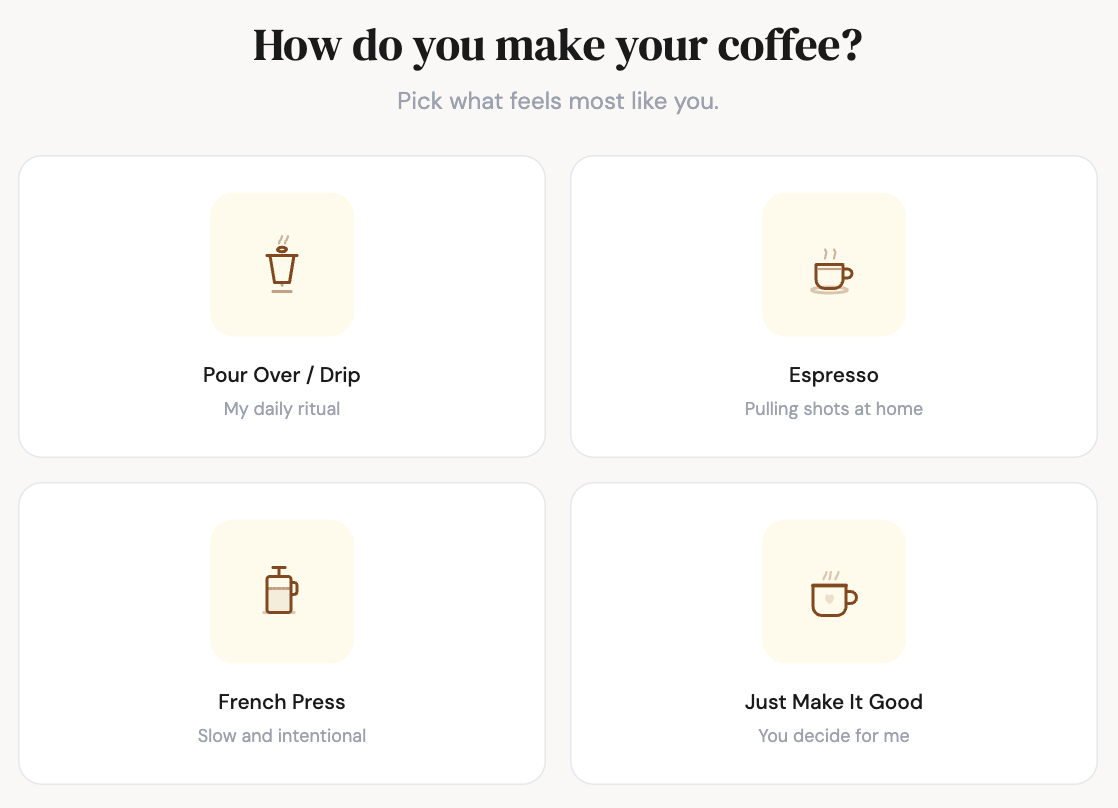
In March 2026, I built an interactive quiz for 1981 Espresso Bar Network, a specialty coffee brand in Chiang Mai. The quiz that matches your flavor preferences and brew method to a specific coffee. It’s fun, it’s shareable, and it drives visitors directly to the product they’re most likely to buy.
CNXlocal — Community Tools
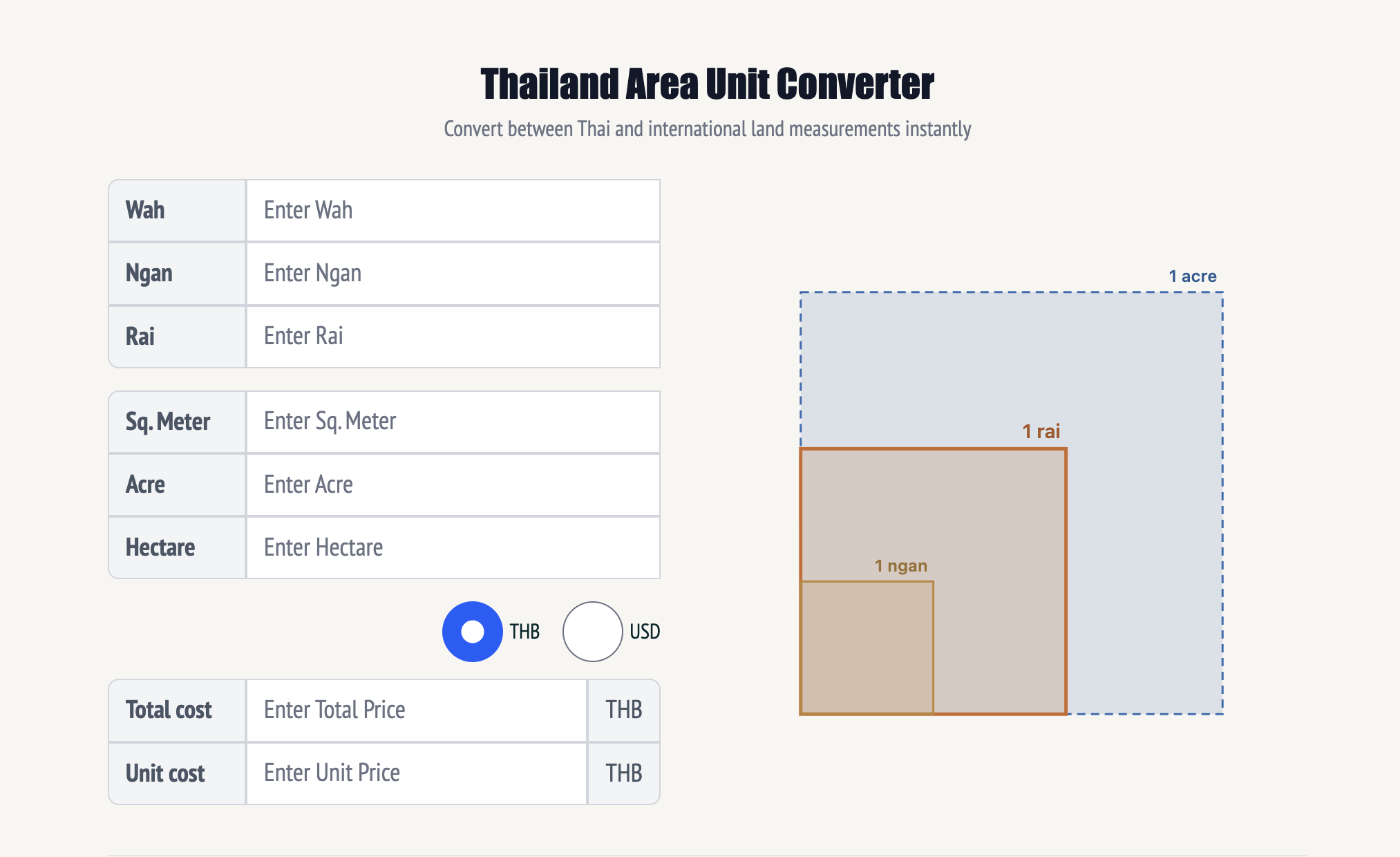
Throughout early 2026, I’ve been building utility tools for CNXlocal, a local community site — a cigar humidor tracker, a real-time movie showtimes page, and more in the works. Each tool serves the local community, drives repeat visits, and builds the kind of trust that a blog post alone never could.
The Pattern
Every tool follows the same blueprint:
- Tool at the top — clean, minimal interface. Immediately useful. Highly shareable.
- SEO content below — keyword-targeted text that gives Google context for ranking.
- Completely free — no email gates, no paywalls, no “sign up to download.” Just pure value.
The philosophy is simple: give away so much value that people trust you before they ever see a sales page. In a world where AI can summarize any article, the sites that survive are the ones that do something an AI can’t.
What This Means for Your Business
If you’re a business owner reading this, here’s what I want you to take away:
Your website needs to do something, not just say something.
Articles still matter — they build topical authority and capture long-tail search traffic. But they’re the second touchpoint now, not the first. The first touchpoint is a tool, a quiz, a calculator, a generator — something useful enough that people bookmark it, share it, and come back to it.
The businesses winning right now are the ones giving away so much genuine value that trust is established before a single sales conversation happens. Not gated content. Not “download our whitepaper.” Free tools that make people’s lives easier.
This is what I build for my clients. I use AI to develop these tools faster and smarter than a traditional agency could — but the ideas, the strategy, and the execution are mine. AI is my power saw. The craftsmanship is still human.
If you want to see what an AI-enhanced, human-first approach looks like for your business — explore our AI integration services or book a free call with me. No pitch, just an honest conversation about what your site needs.